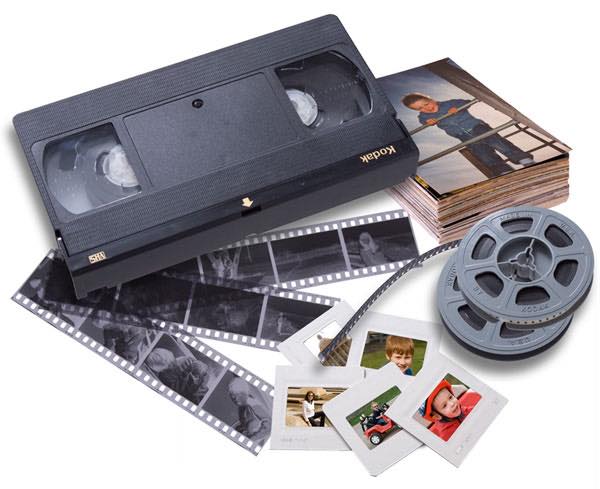
There’s something magical about old home movies — the soft grain of 8mm film, the warm hum of a VHS tape, the laughter and voices captured long before smartphones existed. But these formats weren’t built to last forever. Time, temperature, and simple aging can cause tapes to degrade, film to become brittle, and audio to fade.
Digitizing your family’s video and film collections is one of the most meaningful ways to protect your history. It ensures that your memories stay safe, shareable, and accessible for generations to come.
In this post, I’ll walk you through how digitization works, what can be improved through cleanup and stabilization, and why audio enhancement makes such a difference.
📼 VHS Digitization: Saving Your Tape‑Based Memories
VHS tapes were never meant to last more than a couple of decades. Over time, the magnetic particles that hold the image begin to break down, causing:
- Color fading
- Static or rolling lines
- Warping
- Audio dropouts
- Complete playback failure
Digitizing your VHS tapes now prevents further damage and gives you a clean, modern MP4 file you can watch on any device. Whether it’s a child’s first steps, a wedding toast, or a family Christmas from 1992, these moments deserve to be preserved before the tape becomes unplayable.
🎞️ 8mm Film Transfers: Bringing Vintage Footage Back to Life
8mm and Super 8 film have a charm all their own — the flicker, the texture, the nostalgia. But film reels are delicate. They can shrink, crack, or collect dust and scratches over time.
A proper transfer captures each frame with care, preserving:
- Family vacations
- Childhood birthdays
- Military homecomings
- Generational traditions
- Everyday moments that mean everything
Digitizing film not only protects it from further deterioration but also makes it easy to share with family members who may have never seen the footage.
✨ Cleanup & Stabilization: Making Old Footage Shine Again
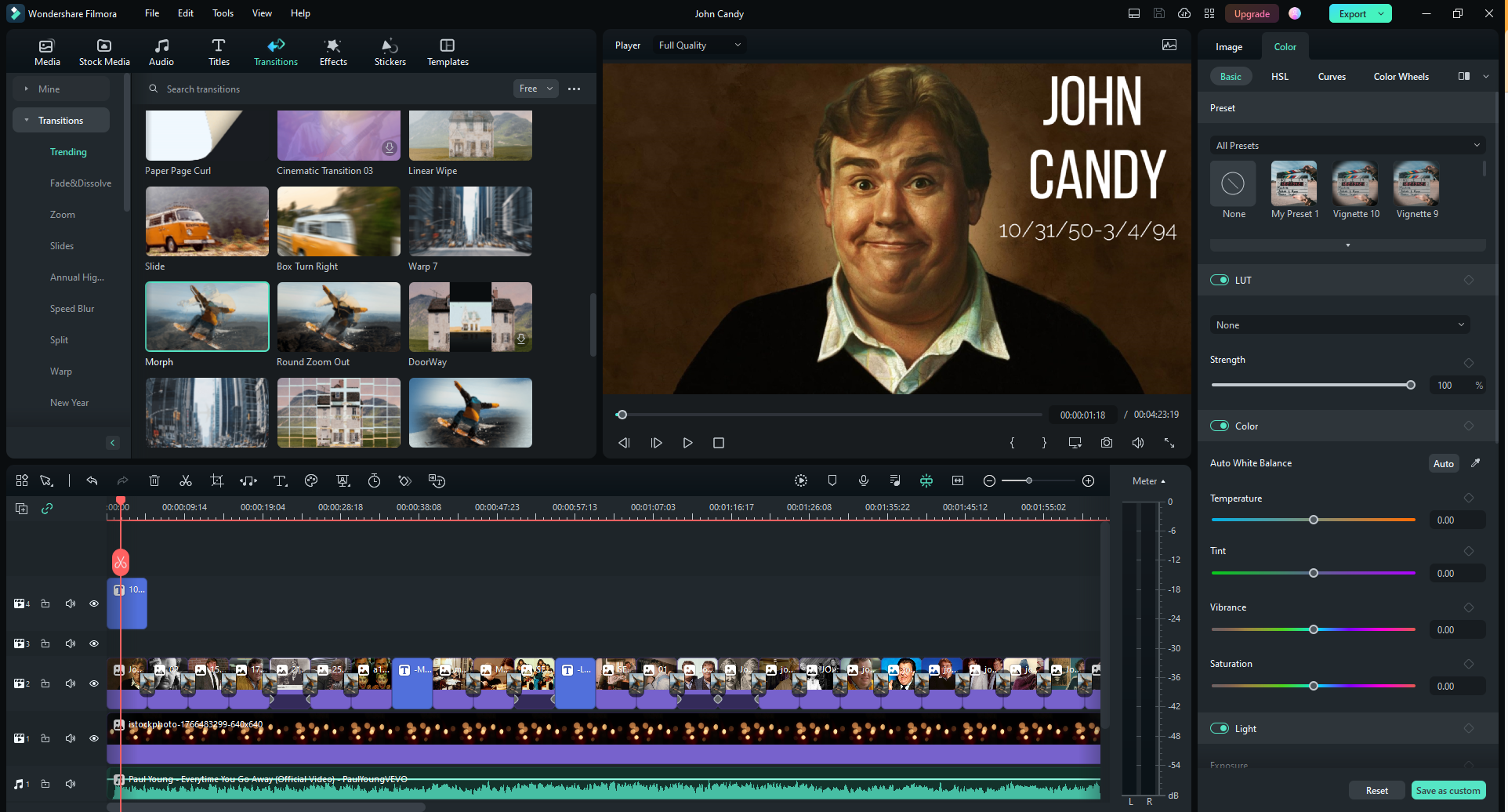
Once your tapes or film are digitized, the real magic begins. Cleanup and stabilization help restore clarity and smoothness without altering the authenticity of your footage.
This may include:
- Removing dust, scratches, and flicker
- Correcting color shifts or fading
- Reducing jitter or shakiness
- Smoothing transitions between frames
- Improving overall brightness and contrast
The goal is never to make old footage look “modern” — it’s to help it look the way it should have looked when it was first recorded.
🔊 Audio Enhancement: Hearing the Past More Clearly
Audio is often the most emotional part of a memory. A familiar laugh, a voice you haven’t heard in years, a song playing softly in the background — these details matter.
Audio enhancement can help:
- Reduce hiss, hum, and static
- Boost quiet voices
- Balance uneven sound
- Improve clarity without distortion
Even small improvements can make a huge difference in how a memory feels.
💛 Why Digitization Is a Gift to Your Future Self
Digitizing your video and film collection isn’t just a technical process — it’s an act of love. It protects your family’s history, makes it easy to share with relatives near and far, and ensures that your stories won’t be lost to time.
Whether you have a single VHS tape or a box full of film reels, every memory deserves to be preserved with care.
If you’d like, I can help you create a companion post about photo restoration, organizing your digital archive, or how to prepare your materials for digitization.