Most people don’t start preserving their family history because they don’t care — they don’t start because they feel overwhelmed.
Where do you begin when your family’s story stretches across decades, states, generations, and countless boxes of photos? How do you capture a lifetime of memories when you’re afraid of “doing it wrong”?
Here’s the truth: You don’t need a perfect plan. You just need a starting point.
At Texas Hill Country Tales, we help families preserve legacies every day, and we’ve learned that the simplest steps often lead to the most meaningful results. If you want to begin preserving your family history — even if you feel unsure — this guide will help you take the first gentle steps.
Start With What You Already Have
You don’t need to hunt down every photo, document, or story right away. Begin with what’s already within reach:
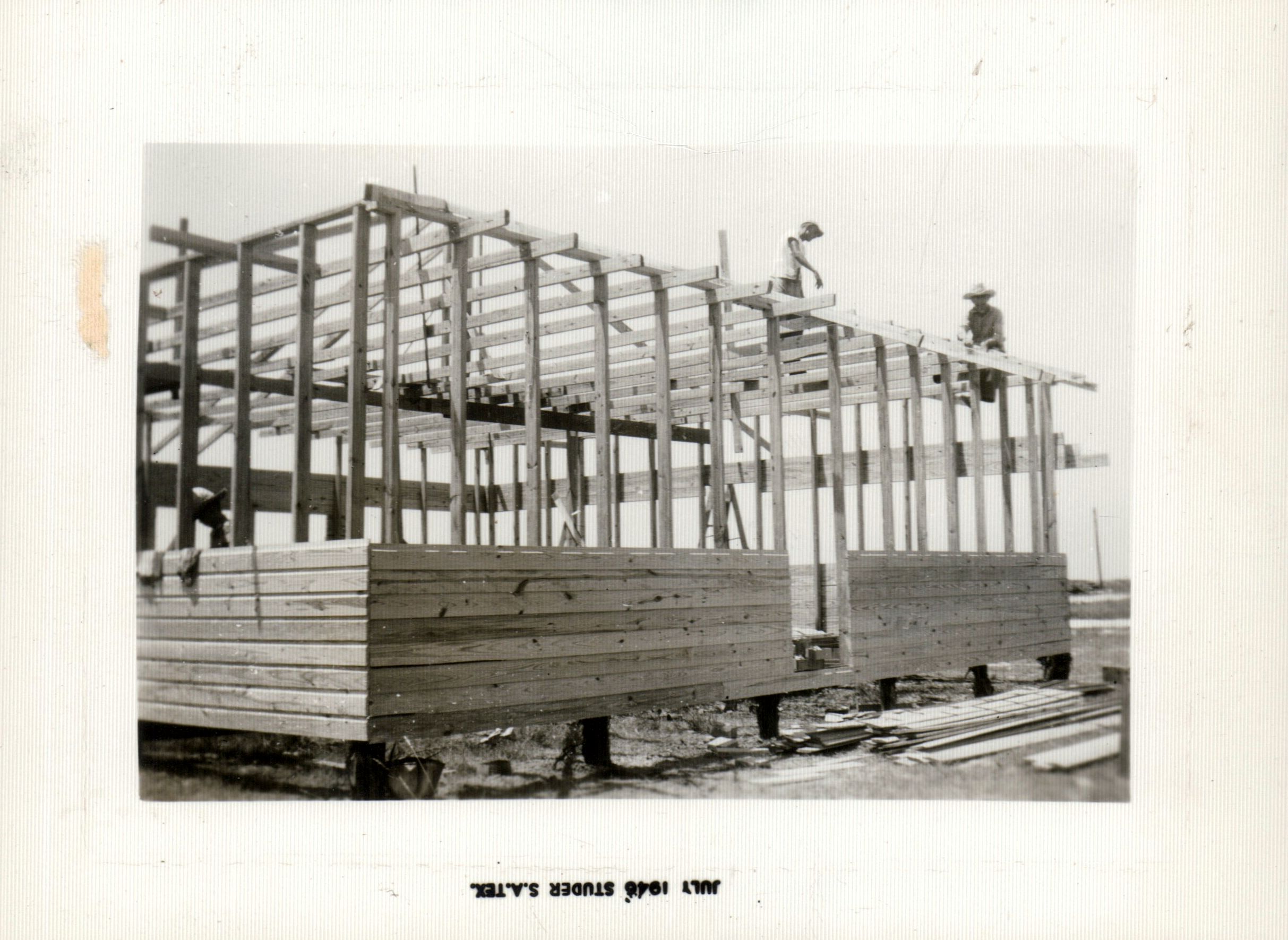
- a shoebox of old photos
- a folder on your phone
- a family Bible
- a recipe card in Grandma’s handwriting
- a few stories you remember by heart
These small pieces are the foundation of your family’s legacy. You can build from there.
Choose One Person or One Branch of the Family
Trying to document everyone at once is the fastest path to overwhelm. Instead, choose one starting point:
- a grandparent
- a parent
- a sibling
- a child
- a family line you’re curious about
Focusing on one story at a time makes the process feel manageable — and more meaningful.
Ask Simple Questions (And Record the Answers)
You don’t need a formal interview setup. You just need curiosity and a way to capture the moment.
Start with easy, open‑ended questions like:
- “What was your childhood home like?”
- “What traditions did your family have?”
- “What’s a memory that always makes you smile?”
Use your phone to record audio or video. These recordings become priceless treasures — especially when voices and expressions are preserved.
Gather Photos That Show Real Life, Not Just Milestones
Family history isn’t built only from weddings and graduations. It’s built from:
- backyard barbecues
- fishing trips
- messy kitchens
- holiday chaos
- everyday smiles
Look for photos that show personality, relationships, and the rhythm of daily life. These are the images that bring a story to life.
Preserve Handwritten Items — They Carry Emotion
Handwriting is one of the most intimate forms of memory. It carries personality, history, and heart.
Save things like:
- letters
- recipe cards
- journal entries
- signatures
- notes tucked into old books
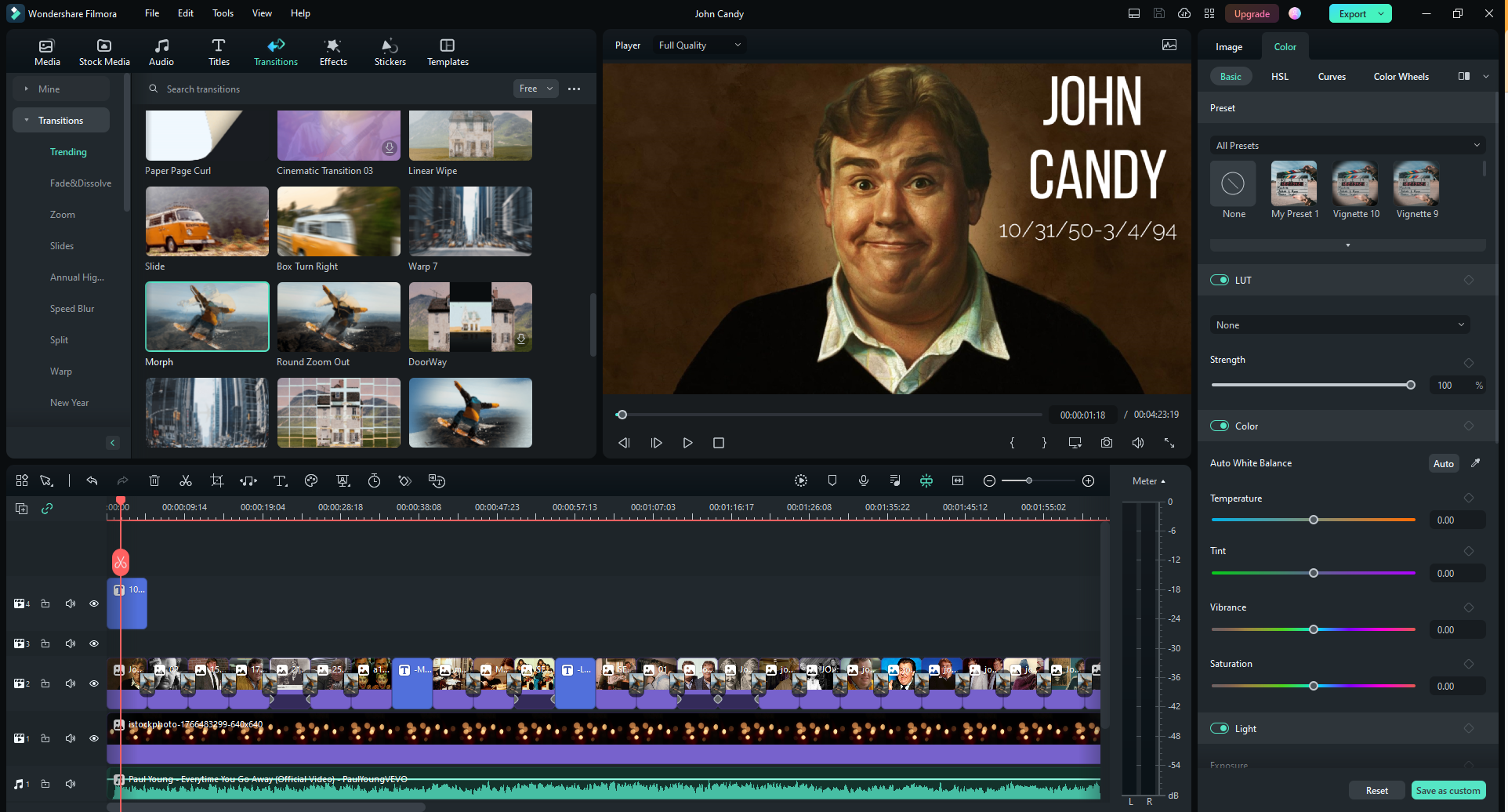
These pieces add warmth and authenticity to any legacy project or memorial video.
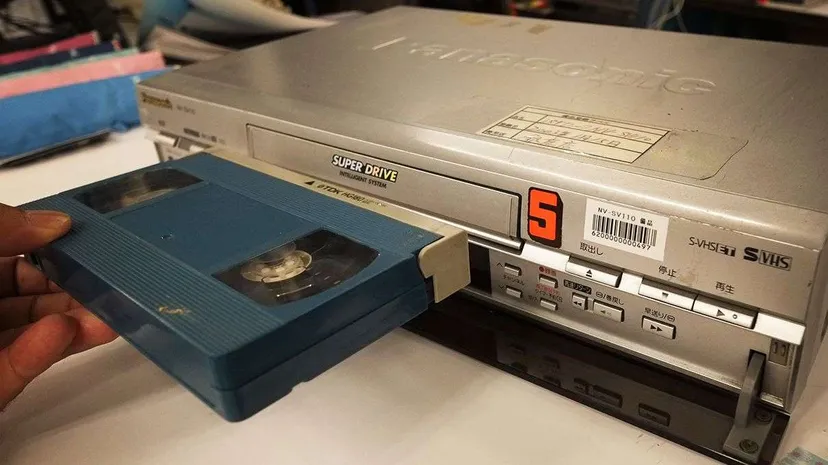
Digitize What You Can (Slowly, Not All at Once)
Digitizing doesn’t have to be a massive project. Start small:
- scan a few photos each week
- take pictures of documents with your phone
- save voice messages from loved ones
- back up important files to a cloud service
Little by little, you’ll build a digital archive that future generations can access easily.
Write Down the Stories You Already Know
You don’t need perfect grammar or a polished narrative. Just write what you remember:
- the way your grandfather told jokes
- the perfume your mother wore
- the sound of your aunt’s laugh
- the family sayings that still get repeated
These details are the heartbeat of family history.
Don’t Wait for the “Right Time” — Start Now
The biggest regret families share is waiting too long.
Start today, even if it’s imperfect. Start today, even if you only capture one story. Start today, because memories fade — but preserved stories last forever.
Let It Be a Family Project, Not a Solo Mission
Invite others to contribute:
- siblings
- cousins
- children
- grandparents
- extended family
Everyone remembers different pieces of the story. Together, you create a fuller, richer picture of your family’s legacy.
Remember: Preserving Family History Is an Act of Love
This isn’t about creating a perfect archive. It’s about honoring the people who shaped you. It’s about giving future generations a sense of belonging. It’s about saying:
“Your story matters. Our story matters.”
And that is one of the most meaningful gifts you can give.