Every family has stories — the kind that get told around kitchen tables, during long drives, or while sitting on a porch as the sun goes down. These stories are full of laughter, lessons, surprises, and the kind of wisdom you can’t find in any book.
But here’s the hard truth: If we don’t record these stories, they disappear.
Voices fade. Details blur. Generations pass. And suddenly, the stories that shaped a family — the ones that explain who we are and where we come from — are gone.
Recording oral histories is one of the most powerful, loving, and lasting gifts a family can create. And the best part? It’s easier than most people think.
At Texas Hill Country Tales, we believe oral histories are the heartbeat of legacy storytelling. Here’s why they matter — and how you can start capturing them today.
Why Oral Histories Matter
Voices Carry Emotion That Photos Can’t Capture
A photo shows a moment. A voice carries a lifetime.
Hearing a loved one laugh, pause, or tell a story in their own words creates a connection that written memories simply can’t match. Long after someone is gone, their voice becomes a comfort and a treasure.
Stories Reveal the Heart of a Person’s Life
Oral histories capture:
- childhood memories
- family traditions
- struggles and triumphs
- love stories
- values and beliefs
- the “why” behind the choices they made
These stories help future generations understand not just what happened — but who their loved one truly was.
They Preserve Family History That Would Otherwise Be Lost
Every family has:
- recipes
- sayings
- inside jokes
- migration stories
- tales of hard work and resilience
- memories tied to land, culture, and community
Without oral histories, these details fade with time. Recording them ensures they live on.
They Strengthen Family Bonds Across Generations
When families listen to oral histories together, something beautiful happens:
- children learn where they come from
- adults gain new appreciation for their elders
- stories spark conversations and connection
- traditions are passed down intentionally
Oral histories become a bridge between past, present, and future.
They Become Priceless Legacy Gifts
Imagine a great‑grandchild hearing their ancestor’s voice for the first time. Imagine future generations learning family history directly from the source.
Oral histories are gifts that grow more valuable with time.
How to Record Oral Histories (Easily and Comfortably)
You don’t need fancy equipment or a studio. You just need a quiet space, a curious heart, and a willingness to listen.
Here’s how to get started.
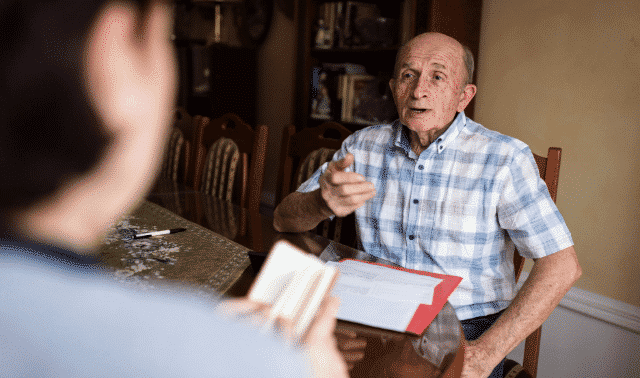
Choose One Person to Interview
Start small. Pick:
- a parent
- a grandparent
- an aunt or uncle
- a family storyteller
You can always expand later.
Use Simple, Open‑Ended Questions
Ask questions that invite stories, not one‑word answers.
Try:
- “What was your childhood home like?”
- “What’s a memory that always makes you smile?”
- “What was the best advice you ever received?”
- “What do you want future generations to know about you?”
Let the conversation flow naturally.
Record With Whatever You Have
You don’t need special equipment. Use:
- your phone’s voice recorder
- a video call recording
- a simple camera
- a tablet
The goal is to capture the voice and the story — not perfection.
Create a Comfortable Environment
People open up when they feel safe and relaxed.
Try:
- sitting at a kitchen table
- talking during a walk
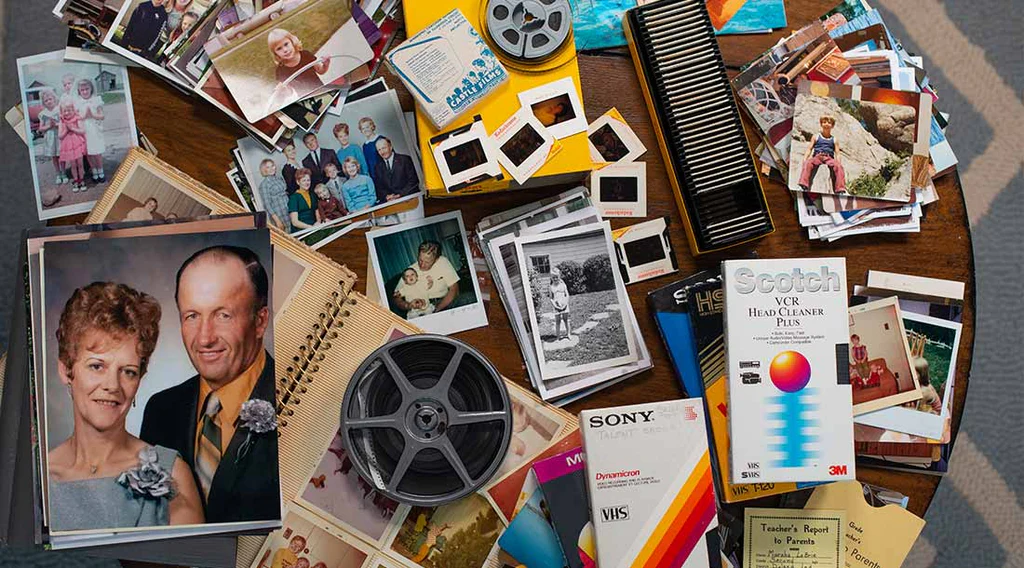
- recording while looking through old photos
- keeping the tone light and conversational
This isn’t an interview — it’s a conversation.
Let Silence Do Its Work
Sometimes people pause because they’re remembering. Sometimes they pause because the story is emotional.
Give them space. The best stories often come after a quiet moment.
Save and Back Up the Recording
Once you have the recording:
- save it in multiple places
- label it clearly
- consider transcribing it
- share it with family members
This ensures the story is preserved for generations.
Turn the Oral History Into Something Beautiful
Oral histories can become:
- memorial videos
- legacy videos
- family documentaries
- audio keepsakes
- written storybooks
- digital archives
This is where Texas Hill Country Tales shines — helping families turn raw recordings into meaningful, lasting legacy pieces.
Final Thoughts: Start Now, Even If It’s Imperfect
You don’t need the perfect setup. You don’t need a list of 100 questions. You don’t need hours of time.
You just need to start.
Because someday, someone in your family will wish they could hear that voice again. And you’ll be the one who made sure they can.
At Texas Hill Country Tales, we’re honored to help families preserve these stories — not just during times of loss, but throughout life. Legacy isn’t something you create once. It’s something you build, protect, and pass down with love.
Here is an example of a beautiful interview digitized from a VHS tape: